
L 'energy from plasticrepresents one of the most promising innovations in the field of sustainable energy. Researchers are developing advanced technologies to turn plastic waste into energy sources. This frontier, still little explored in the industrial sector, can reduce dependence on fossil fuels and address the environmental problem of plastic.
The concept of extracting energy from synthetic polymers is not new, but today science has more efficient ways to exploit the energy potential of plastic. Advances in catalysis, pyrolysis and gasification are changing the paradigm of waste management.
Summary
- 1 What is energy from plastic: definition and scientific operation
- 2 The origins of plastic-energy conversion: history and first experiments
- 3 Top global studies: MIT, Japan, Europe and emerging solutions
- 4 Current applications: where energy from plastic is used today
- 5 The future of energy from plastic: global potential and challenges
- 6 Concrete opportunity for a more sustainable economy
What is energy from plastic: definition and scientific operation
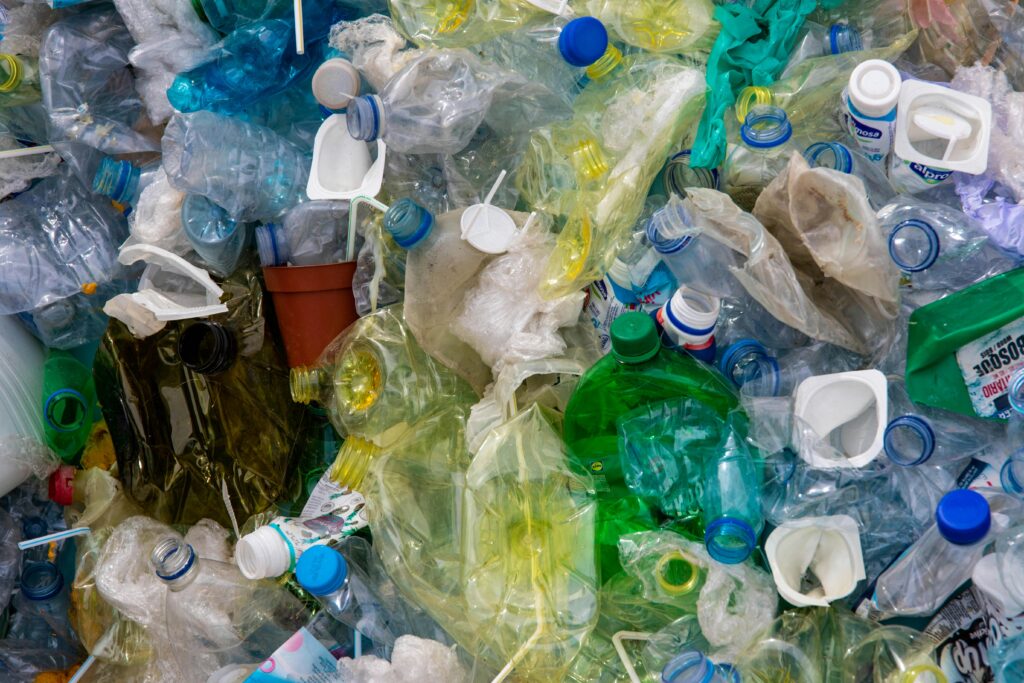
When it comes toenergy from plastic, refers to the ability to convert plastic materials into usable energy, thermal or electrical. This process occurs through various technologies that modify the molecular structure of polymers.
The most common method is pyrolysis. In this process, plastic is heated in the absence of oxygen until it breaks down into gases, oils and carbon residues. The gases generated can be used to produce electricity, while the oils can be refined as fuel.
There are also gasification technologies, where plastic is converted into syngas, a synthesis gas composed of carbon monoxide and hydrogen. This gas can power turbines or be used to synthesize fuels.
Some laboratories are studying catalytic oxidation. In this case, the plastic reacts with oxidants in the presence of catalysts to produce controlled thermal energy. This technique reduces toxic emissions compared to traditional combustion.
Energy recovery through genetically modified microorganisms is also being tested in the laboratory. Some international teams are trying to use bacteria to degrade plastic and generate biogas. Although it is an experimental technology, the potential is significant.
These methods don't just destroy plastic. Some processes allow us to obtain reusable secondary materials or synthetic fuels with low environmental impact. Research advances towards technologies that maximize energy recovery while minimizing ecological impact.
The origins of plastic-energy conversion: history and first experiments
The idea of recoveringenergy from plasticwas born at the end of the 70s, when the energy crisis pushed many researchers to explore new alternative sources. Early studies focused on directly burning plastic to produce heat, but the process generated polluting emissions and was therefore soon abandoned.
In the 1990s, some research centers began experimenting with pyrolysis. In particular, the Japan Science and Technology Agency he was one of the pioneers in the development of reactors capable of decomposing mixed plastics. However, technical difficulties and high costs limited commercial diffusion.
In 2001, one of the first industrial-scale plants was built in Germany. It used non-recyclable plastic to produce liquid fuels. Despite the good results, the project was suspended due to lack of incentives and environmental restrictions.
A turning point occurred in 2014, when theMassachusetts Institute of Technology (MIT)published a study on the conversion of plastic into diesel via a new low-temperature catalytic process. The process reduced emissions by 60% compared to traditional combustion.
Since that time, several research centers have launched pilot projects to improve the efficiency and sustainability of the processes. Attention has also shifted to selective chemical recovery, which allows us to obtain products with high energy value.
The European Union has funded numerous Horizon programs on the topic. In particular, the projectPlastics2Energyaims to develop scalable modular reactors for energy production in urban environments. The involvement of universities and industries demonstrates the strong interest in this technology.
Top global studies: MIT, Japan, Europe and emerging solutions
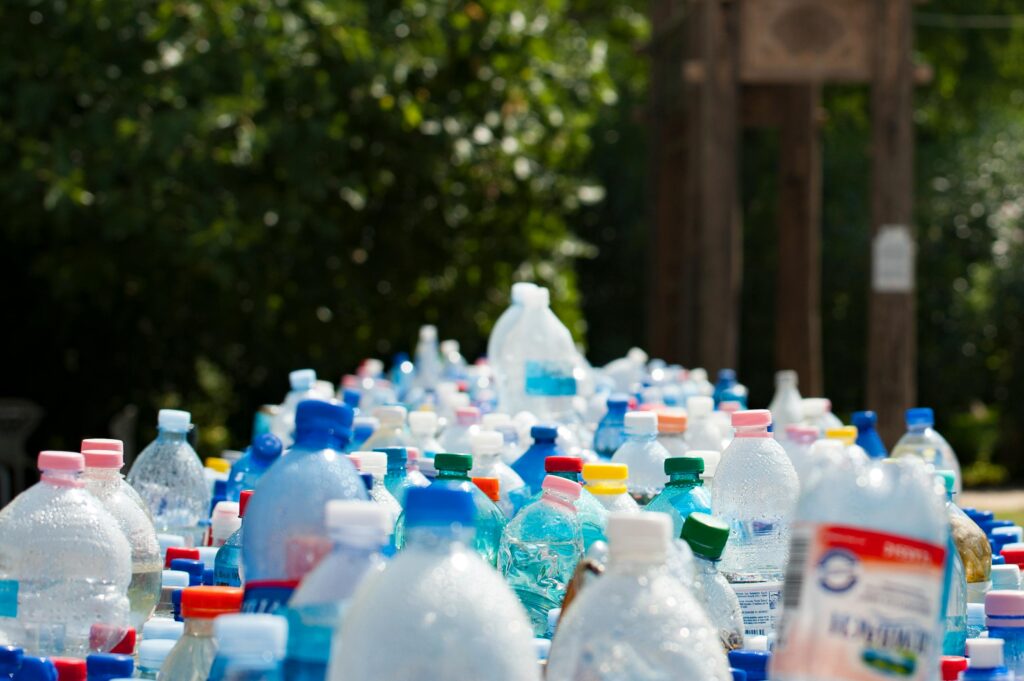
TheMIThas continued to be a point of reference in research onenergy from plastic. A team led by Professor Linda Griffith has developed a catalytic pyrolysis system using modified zeolites. This system produces clean gas that can be used in microturbines with low environmental impact.
InJapan, the University of Tokyo collaborates with private companies to develop plastic hydrogenation processes. This method breaks down plastic waste into hydrogen and methane with an efficiency of 78%. The gas produced feeds fuel cells for electricity generation.
InSouth Korea, the Korea Institute of Energy Research presented a prototype mobile plant capable of converting plastic waste into bio-oil. This approach is particularly useful for isolated areas or for post-disaster interventions.
InEurope, the Fraunhofer Institute has developed a closed-loop plant for controlled gasification. This system transforms mixed plastics into syngas and reduces residues by 90% compared to classic combustion. The technology is being tested in collaboration with the automotive industry.
In United States, the company Agilyx has obtained public funding for a system that breaks down polystyrene into reusable monomers and combustible gases. The company aims to integrate these processes into municipal waste management facilities.
Even startups likeBioCellectionthey are innovating the sector. Founded by young researchers, the Californian company converts post-consumer plastic into adipic acid, a compound used for the production of nylon and fuels.
The focus is shifting towards flexible, scalable and decarbonisation-compatible technologies. Researchers explore the use of artificial intelligence to optimize conversion conditions and reduce plant energy consumption.
Current applications: where energy from plastic is used today
L 'energy from plasticit is already a reality in several countries. InHolland, the port of Rotterdam hosts a plant that transforms plastic waste collected at sea into electricity for port use. The plastic is treated with high-efficiency gasification.
InIndia, the government approved the use of non-recyclable plastic as an alternative fuel in cement factories. This practice reduces the use of coal and decreases the environmental impact of the construction sector.
In theUnited Kingdom, some pilot plants produce thermal energy from mixed plastics in industrial areas. These systems support urban district heating networks, providing low-cost heat.
In theUnited States, some states such as Oregon and California promote the energy valorization of plastic through incentives. The energy produced is fed into the grid and contributes to reducing emissions.
InAfrica, local startups use small pyrolysis plants to produce fuel from plastic in rural areas. This energy is used to power generators or water pumps, improving the autonomy of communities.
InItaly, the CNR and some universities collaborate with companies to test new energy recovery processes from industrial plastic. Preliminary results indicate high efficiency and reduced emissions.
The future of energy from plastic: global potential and challenges
The future ofenergy from plasticit is played out on two fronts: technological sustainability and regulatory acceptance. The technologies must demonstrate that they are actually cleaner than combustion. Emissions, even if lower, must fall within the limits set by environmental agencies.
On an economic level, a network of incentives is needed to encourage the diffusion of systems on an urban scale. Post-consumer plastic must be seen as a resource, not just waste. We need a systemic vision that integrates circular economy and decentralized energy.
The potential is enormous. According to the International Energy Agency, the energy recovery of plastic could cover up to 12% of the energy needs of some metropolises. But to get there we need investments, research and collaboration between the public and private sectors.
The challenges are also linked to communication. Many citizens confuse energy from plastic with incineration. It is necessary to inform correctly and show transparent scientific data. Social legitimacy will be fundamental to the diffusion of technology.
The role of politics is decisive. Regulations such as the European Green Deal can accelerate the transition if they integrate energy recovery as part of the virtuous plastic cycle.
Concrete opportunity for a more sustainable economy
L 'energy from plasticit is not a miracle solution, but it represents a concrete opportunity for a more sustainable economy. Transforming waste into an energy resource is possible, thanks to advanced studies, targeted investments and collective awareness.
The technologies exist. The first results are encouraging. Now we need a political and industrial vision capable of transforming research into widespread solutions. The world can no longer afford to ignore the energy value hidden in waste materials.