
In the world of technology applied to health and well -being, theelectronic cigarettesThey represent one of the most discussed, analyzed and often controversial innovations. In Japan, a country known for the early adoption of advanced technologies and for rigid health control, the approach to these devices has taken on unique characteristics, which deserve an in -depth analysis.
This article will explore exhaustivelyWhat are electronic cigarettes, who invented them,how they work, what are theDifferences with other devices to vapa, and above all what is theregulatory and cultural situation in Japan, with an eye also to the evolution of the market. An analysis designed for enthusiasts, professionals in the sector and curious in search of well -founded and detailed responses.
Summary
- 1 What are electronic cigarettes
- 2 Who invented electronic cigarettes
- 3 How electronic cigarettes work
- 4 The situation in Japan: between regulations and market
- 5 Differences with other devices to vapa
- 6 The cultural perception of e-cig in Japan
- 7 The evolution of the Japanese market
- 8 The health issue: benefits and risks
What are electronic cigarettes

Theelectronic cigarettesThey are devices powered by a rechargeable battery that warms a liquid, usually containing nicotine, vegetable glycerin, propylene glycol and aromas, transforming it intoinhabitable steam. This process is known howSVAPO(or Vaping), and is conceived as a less harmful alternative to traditional smoke, asIt does not happen combustion, and therefore do not produce carbon tar or monoxide.
Despite their aesthetic similarity with classic cigarettes, technological nature and the functioning mechanics of e-cig make them deeply different. In Japan, the distinction between products with nicotine and those without nicotine is central to understanding current regulation.
Who invented electronic cigarettes
The first modern prototype ofelectronic cigaretteIt is attributed to the Chinese pharmacistHon Lik, which in 2003 patented a device destined to reduce the risks of traditional smoke. After the death of the father due to a lung cancer, Hon Lik began to develop a less harmful technological alternative. His invention was then marketed in China in 2004 and reached the global market within a few years.
However, rudimentary attempts to create devices for the inhalation of nicotine without combustion date back to the 1960s. The first patent in this sense was filed in 1963 by Herbert A. Gilbert, but the technology was never marketed at the time.
How electronic cigarettes work
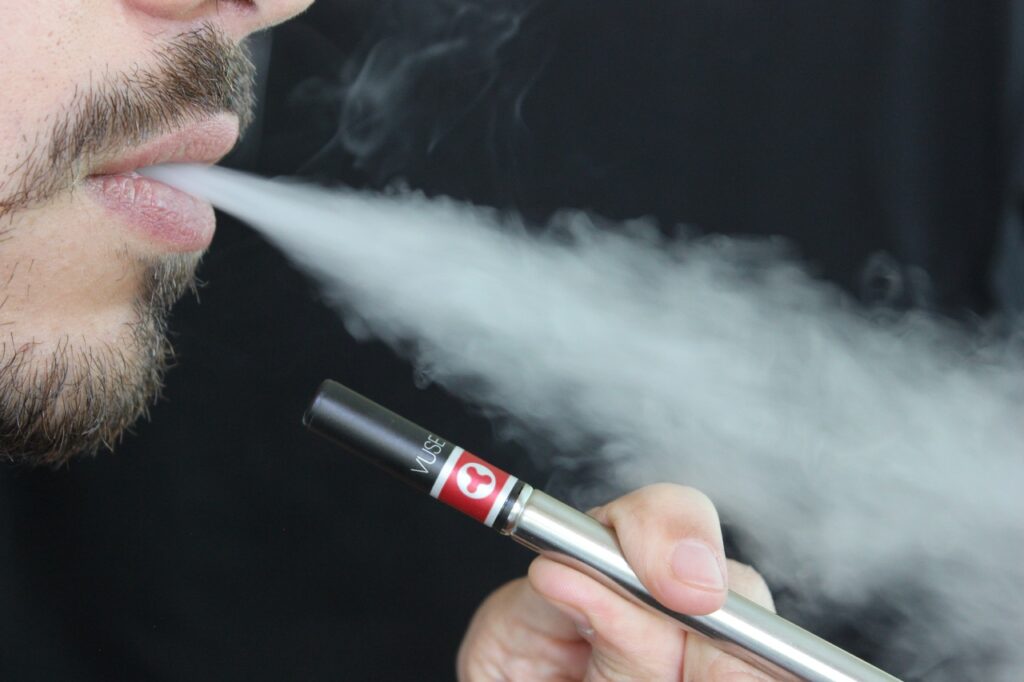
The functioning of theelectronic cigarettesIt is based on an electronic heating system that activates oneresistance(called coil), which in turn vaporizes theliquid contained in a cartridge or tank. This liquid is aspirated through amouthpiece, and the steam generated is what the user inhales.
There are different types of devices: Cigalike (they look like a classic cigarette and are often disposable), Pen Vape (pen -shaped devices with rechargeable tank), Mod (advanced versions with powerful battery and customizable configurations).
In Japan, most of the electronic cigarettes soldthey do not contain nicotine, since the sale of liquids with nicotine is subject to very severe restrictions.
The situation in Japan: between regulations and market
Japan represents an extremely interesting case in the global panorama ofelectronic cigarettes. Although the use of these devices is widely widespread, the current legislation imposesgreat limitationsto the use ofliquids containing nicotine.
In the country of the Rising Sun, in fact, the liquids containing nicotine areconsidered drugsPursuant to the Japanese law (Pharmaceutical Affairs Law). Therefore, theirsproduction, import and saleIt is prohibited without an official authorization by theMinistry of Health, Work and Welfare Japanese. This led to the development of a market in which devices prevailHeat-Not-Burn, asIqosby Philip Morris, who heat the tobacco without burning it.
According to a report from 2022 published byStatesman, the electronic cigarette market in Japan has seen constant growth, especially in the segmentsnicotineisHeated tobacco devices.
Differences with other devices to vapa
In addition to classic electronic cigarettes, other devices for the inhalation of nicotine or aromas are widespread in Japan, including: Iqos(Philip Morris), Global(British American Tobacco), Ploom Tech (Japan Tobacco).
These devices work according to technologyHeat-Not-Burn (HNB), heating the tobacco up to a temperature that allows you to free nicotine in the form of aerosol,without burning it. This difference is substantial, as the HNB devices areLegally sold in Japan, unlike liquids with nicotine used in conventional e-cigs.
Another difference is the sensory experience: HNB devices tend to offer an experience more similar to traditional smoke than e-cig. Also, while electronic cigarettes can be completely without nicotine, HNB devicesThey use real tobacco stick, specially designed.
The cultural perception of e-cig in Japan
ThereJapanese cultureIt is historically very attentive to public health and hygiene. This led to a prudent approach towards theelectronic cigarettes. Advertising is strongly regulated, and use in public places is often prohibited or limited to special spaces.
However, electronic smoking devices are consideredmore socially acceptablecompared to traditional smoke. In particular, the absence of passive smoke and persistent odors has made e-cig a popular choice among the youngest and among those looking for less invasive alternatives.
The evolution of the Japanese market
The Japanese market is one of the few in which theTraditional e-cig with liquidThey had a lesser impact compared to heated tobacco devices. This is due to both restrictive and strong legislation Commercial campaign by tobacco multinationals.
In 2023, Japan representedOver 90% of the global market of HNB devices, with IQOS in the lead. The manufacturers are investing massively in research and development to create increasingly compact, efficient and technologically advanced products.
The health issue: benefits and risks
The scientific community is divided on the actual safety ofelectronic cigarettes, even if it is generally accepted that they areless harmful than traditional cigarettes, thanks to the absence of combustion. However, long -term risksthey are not entirely known yet.
In Japan, theNational Institute of Public HealthHe has published studies that invite caution, especially for young people. At the same time, a growing attention emerged towards the use of these devices as tools for thedamage reductionin adult smokers.
TheElectronic cigarettes in JapanThey represent an interesting convergence between technological innovation, health culture and severe regulations. While in the rest of the world the e-cig with nicotine are widely widespread, in Japan the situation is different: the market has favored the development of devicesHeat-Not-Burn, supported by a regulation that aims to control the use of nicotine and protect public health.
The country continues to be a living laboratory for anyone interested in understanding the evolution of vaping globally, and represents a point of reference for those who wantAnalyze the future of technology linked to smoking and health.