
In the world of graphics, digital design and visual communication,Recognize fonts from image onlineIt has become an increasingly requested ability. Identify a typeface Starting from a simple image it is not just a curiosity: it is often a concrete necessity for those who work in graphic design, in branding or in the development of digital content.
When you come across a typography that affects for elegance, uniqueness or visual consistency, knowing which font has been used can make the difference between a good job and an extraordinary one. In fact, the typography is an integral part of the visual identity of a brand, an editorial project or a web interface.
Recognizing the right font allows not only to replicate a style, but also to understand its origins, the technical characteristics and the context of use. But how do you exactly go back to a font starting from an image? What tools come to help us? Is it possible to do it precisely?
During this article, we will exploreIn depth every aspect linked to the recognition of fonts from online images, from the operating principles of automated tools to the most effective professional solutions, passing through ethical and legal considerations. The goal is to offer a complete overview, full of ideas and practical indications, suitable for professionals as to fans.
Summary
- 1 Because it is useful to recognize fonts from an online image
- 2 How the font recognition works
- 3 All methods to recognize fonts from online image (manuals and automatic)
- 4 Recommended online tools to identify images of images (pros and cons)
- 5 Tips for the use of identified fonts and legal considerations
Because it is useful to recognize fonts from an online image
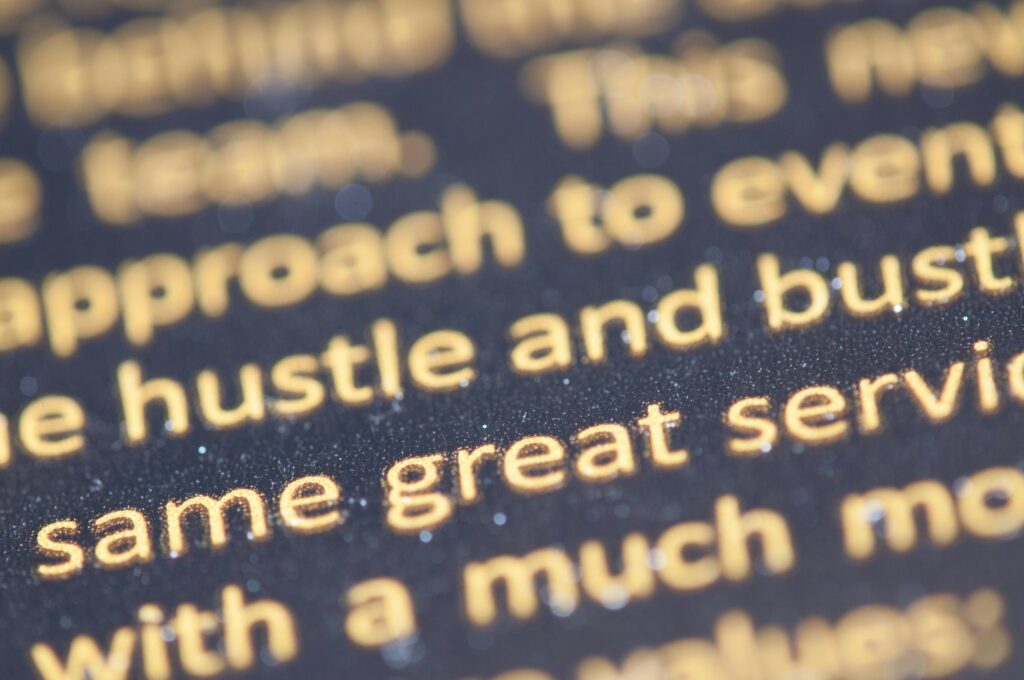
Each visual project communicates through precise typographical choices. The font, in this context, is not a simple detail: it is an identity element. Recognizing a font from an image allows you to analyze the graphic choices made by other designers and draw inspiration.
When working on a restyling or you have to reproduce an existing graphics, knowing exactly which font has been used allows to maintain stylistic consistency. In addition, the knowledge of the original font allows you to avoid pagination errors, wrong proportions and visual inconsistencies.
This type of recognition is also fundamental in the work of those who deal with UI/UX Design. In many cases, graphic interfaces are designed starting from visual mockups or screenshots. In these scenarios,Recognize fonts from image onlineIt allows you to faithfully reproduce the user experience designed by the original creative team.
Even in the world of editorial press, the typography represents one of the key points. Journalists, art director and editorial graphs often find themselves having to identify the fonts used in historical publications or iconic projects to maintain consistency between content and form.
Recognizing a font is also an important competence in the world of copyright and intellectual property. Some fonts are protected from specific licenses and identifying them correctly may avoid the improper use of unauthorized typographical resources.
How the font recognition works
The process forRecognize fonts from image onlineIt is mainly based on characters of optical recognition technologies, known with acronym Ocr (Optical Character Recognition). However, unlike the classic ECR, here we do not only try to read the text, but to compare the shapes of the letters with those present in a vast font database.
When we load an image in a font identification tool, the algorithm analyzes the individual letters, recognizes the distinctive features of each glyph and compares them with the digital versions of thousands of fonts. This operation requires remarkable precision, since many typographical families have minimal variations.
An important aspect of these tools is the pre -procurement phase. The image must be cleaned of disturbing elements: backgrounds, visual effects, distortions or shadows can compromise the quality of recognition. For this reason, most tools recommend isolating the text, improving contrast and reducing visual noise before starting the process.
In some cases, the most advanced systems use artificial intelligence. The neural networks trained on millions of images of different fonts are able to recognize complex typographic schemes even in non -optimal conditions. These technologies, in constant evolution, make identification more and faster and fast.
It is important to understand that not all fonts can be identified with absolute certainty. Some are customized, hand modified or made to measure. In these cases, the system can suggest similar or compatible alternative fonts, but it will hardly return a perfect match.
All methods to recognize fonts from online image (manuals and automatic)
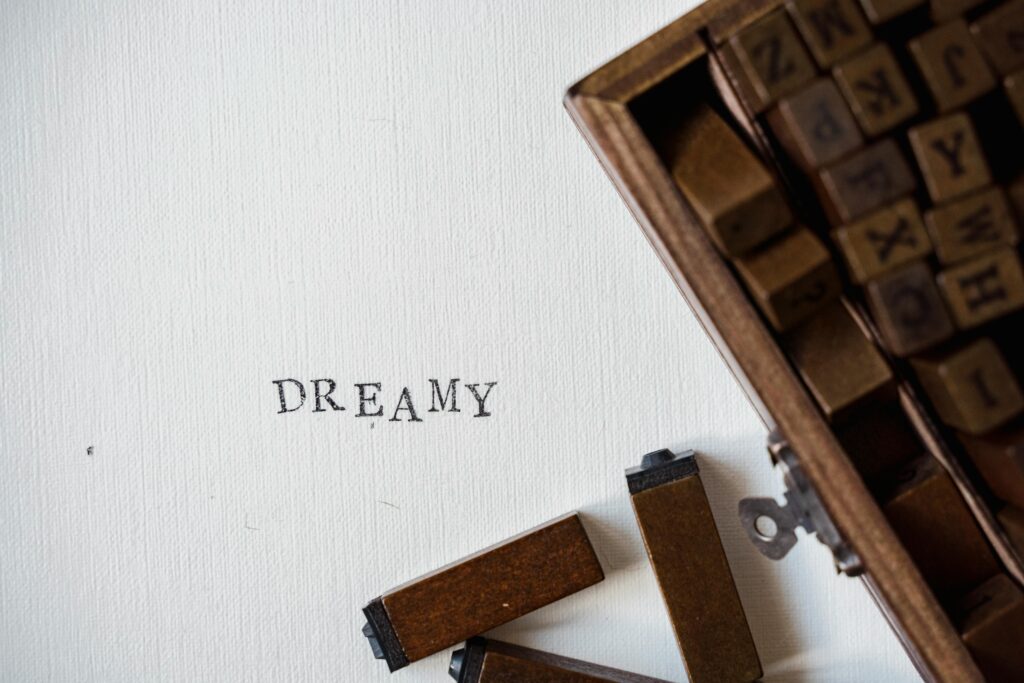
In addition to automatic tools, there are manual approaches that require specific skills. An expert graph can recognize a font simply by observing some distinctive details: the shape of the "G", the tail of the "Y", the cut of the "E". This type of analysis requires years of experience and in -depth knowledge of typographical families.
Those who do not have these skills can still rely on online recognition software. These tools are designed for the average user and offer precise results in a few seconds. Just upload the image, select the area containing the text and wait for the processing. Some systems also allow you to compare the identified text with a preview, so as to verify its correspondence.
Alternatively, there are specialized communities where you can load an image and ask for help from other typography enthusiasts. Sites like Reddit (R/Identifythisfon) or Forum as Typophile They allow you to get answers from industry experts, often accompanied by detailed explanations.
Another interesting method is vector analysis. In some cases, converting the image into a vector track (with software such as Adobe Illustrator or Inkscape) allows you to study the proportions and compare them with known fonts. This technique is also more suitable for advanced users, but offers a good level of precision.
Some designers retain personal font bookcases with example for each family. In the presence of an unknown font, consulting a personal visual bookcase can significantly speed up the identification process. This practice is widely used in branding agencies or graphic studies.
Recommended online tools to identify images of images (pros and cons)
Among the best known services forRecognize fonts from image online, some names that have become real points of reference stand out. The most popular is Whatthefon, Of Myfonts, which uses advanced recognition techniques to suggest similar commercial fonts. His strong point is the vast font library available for purchase or download.
Another widely used tool is Font Stock Matcherator, which supports the advanced analysis of letters and also offers a dynamic preview. It is designed for professionals but can be used easily even by those who are beginners.
Whatphonis It is an interesting alternative because it also shows free fonts and open source. Its algorithm analyzes the typographical features with great precision and suggests more alternatives based on the level of similarity.
Adobe Fonts, although not offering a direct tool for recognition from image, it allows you to explore thousands of fonts with very advanced filter tools. Once a similar font is identified, it is possible to look for it directly in the Adobe catalog to verify its authenticity.
Fontspring Matcherator It is another reliable tool that analyzes both raster and vector images. It has the advantage of working well even with distorted or not perfectly aligned texts, which makes it useful in complex contexts.
All these tools, although extremely powerful, have limits. Nobody can guarantee the perfect recognition in all cases. The quality of the image, the clarity of letters and the absence of graphic effects are determining factors for the success of the process.
Tips for the use of identified fonts and legal considerations
Once the font is identified, it is important to check your license. Not all fonts are free: many are protected by copyright and involve the purchase of a commercial license, especially if used in professional or advertising contexts.
Using a font without respecting its terms can involve legal sanctions. For this reason, it is always advisable to buy fonts from official sites or opt for free alternatives issued with open source license. Google Fonts, for example, offers a vast range of fonts that can also be used freely for commercial purposes.
In the academic or editorial fields, respecting licenses is a sign of professionalism. In addition, using original and well -documented fonts improves the perceived quality of a project, transmitting attention to detail and stylistic coherence.
When using similar fonts, but not identical to the original, it is good to evaluate the overall visual impact. Even minimal differences can alter the communicative message, especially in the logos or branding projects.
Finally, remember that some fonts may have been customized to measure for a specific customer. In these cases, even if you can identify the basic typographical family, the exact font is likely to be publicly available. In these cases, it may be useful to contact the original designer directly for clarifications.
KnowRecognize fonts from image onlineIt is today a key competence in the world of design, marketing and digital communication. It is not just about replicating a visual style, but of understanding its structure, origin and communicative value.
Thanks to the digital tools available today, even those who are not an expert can identify fonts with good approximation. However, absolute precision always requires a combination of technology, clinical eye and knowledge of the context.
Tackling the recognition of fonts with a methodical and respectful approach of licenses is a sign of professional maturity. Whether it's a website, a corporate catalog or an advertising campaign, each character has a voice, a story, an identity. Knowing how to recognize it is the first step to communicate it effectively.